Bribery Charges: Sylvia Luke, Ex-State Rep And Others Indicted In Corruption Case
UPDATE: Gov. Green calls on Lt. Gov. Sylvia Luke to resign. Prosecutors believe former state Rep. Ryan Yamane is the “most culpable.”
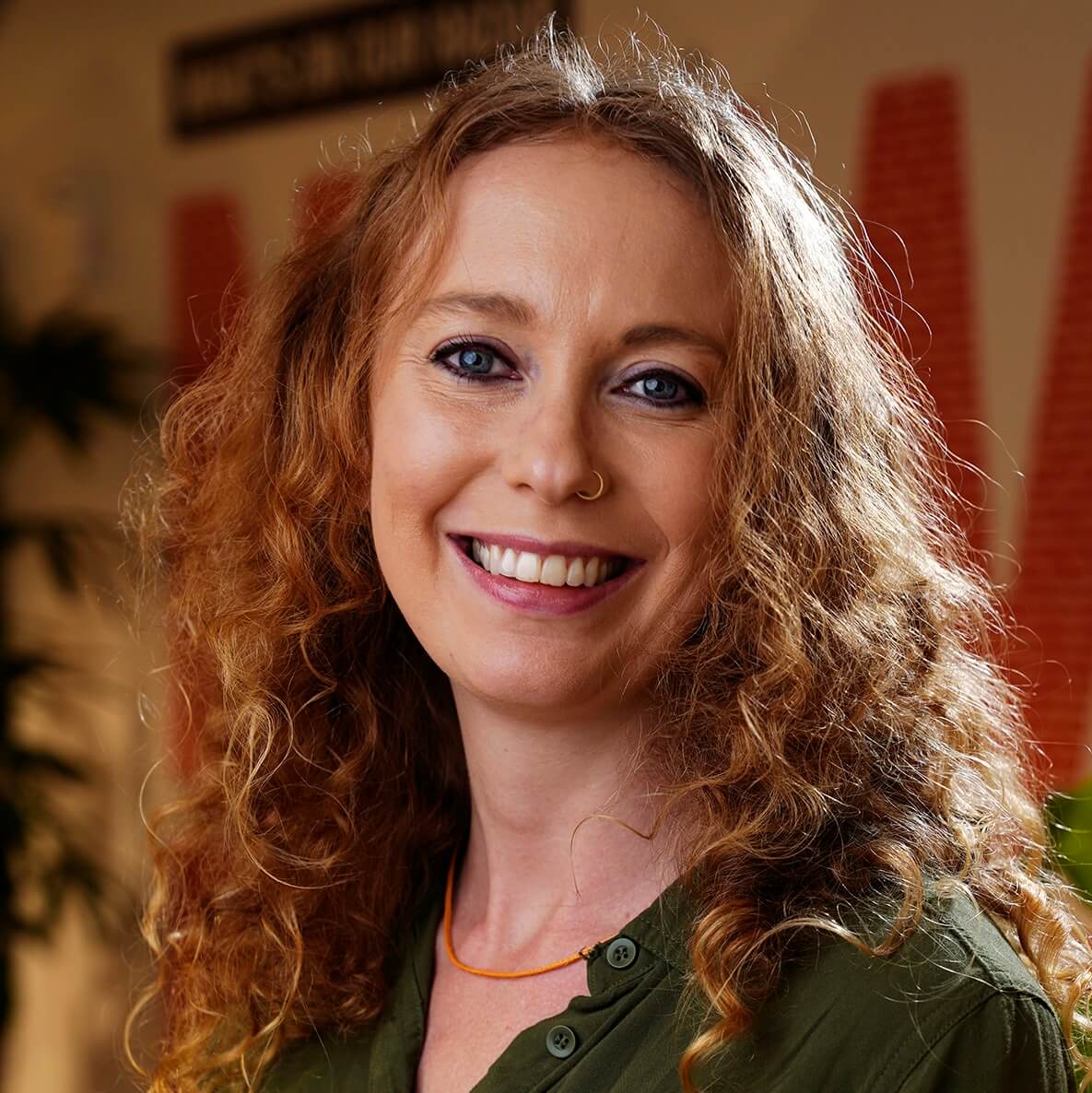
A grand jury indicted Hawaiʻi Lt. Gov. Sylvia Luke, as well as ex-state Rep. Ryan Yamane, local businessman Tobi Solidum and other individuals on Friday — accusing one of the state’s highest ranking public officials of corruption.
The indictments are as follows:
- Sylvia Luke: criminal conspiracy to commit bribery, bribery by a public servant and falsifying candidate committee reports
- Ryan Yamane: criminal conspiracy to commit bribery and bribery
- Tobi Solidum: conspiracy to commit bribery and three counts of bribery upon a public servant
- Ford Fuchigami: criminal conspiracy to commit bribery, use of false statements or entries and obstruction of justice
- Leo Asunción: falsifying candidate committee reports, use of false statements or entries and obstruction of justice
The felony indictments dropped Friday afternoon as part of the Attorney General’s investigation into an “influential” lawmaker who federal prosecutors said took $35,000 from a federal bribery suspect in 2022 — a mystery that has gripped the state for more than a year. The new charges represent another monumental moment in a yearslong political scandal that already landed two of Luke’s former colleagues in prison.
The written indictment makes no direct reference to $35,000 being handed over but suggests Solidum, a businessman seeking government money for Covid testing, promised Luke $35,000 — part of a total of $70,000 to come later— at a Jan. 20, 2022 dinner at Morton’s Steakhouse. They discussed union support for her campaign, the indictment says.
“By next week we’ll have 35 — so it will be halfway to our 70,” Solidum told Luke, according to the indictment.
The charges represent a stunning fall from grace for Luke who, before becoming lieutenant governor, served as a state representative for more than two decades, including 10 years as chair of the House Finance Committee. As finance chair, Luke oversaw the state budget with an iron fist and was known for her commitment to following the rules and holding others accountable.
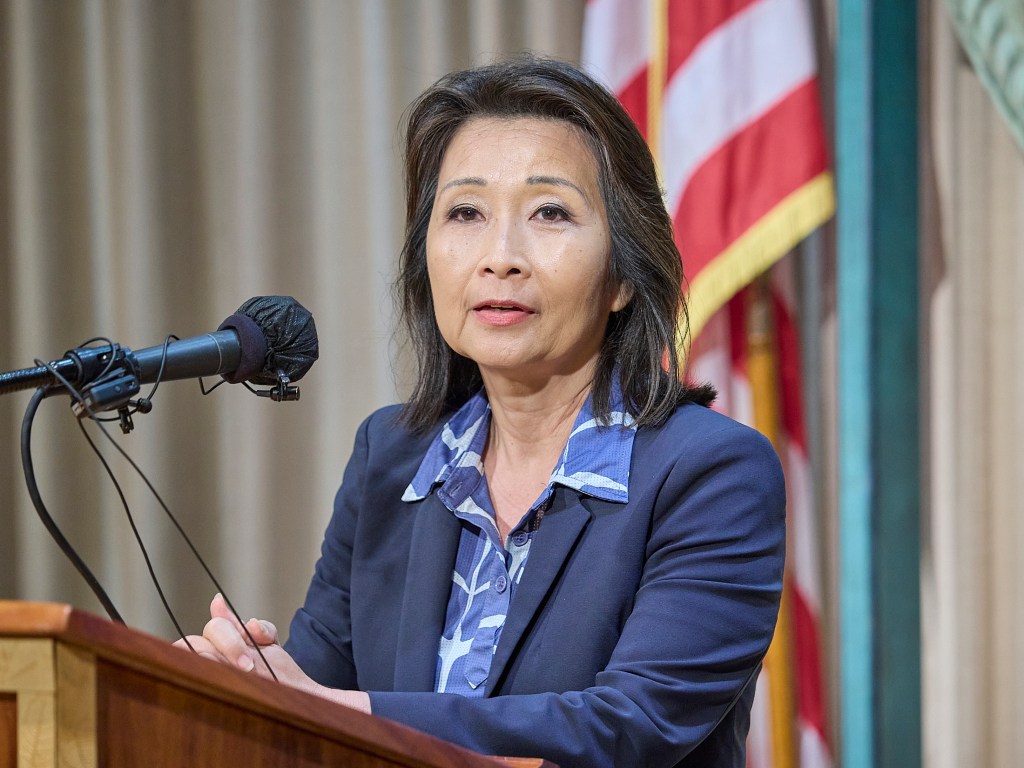
Yamane is alleged to have taken thousands from Solidum while trying to secure funds for Solidum’s Covid testing contracts. In a text message cited in the indictment, Solidum told Yamane: “have 1500 and wanted to pick up another 1k here. Mel will leave cash in Manila for you.”
“If we’re looking at the most culpable individual factually, we believe that is Ryan Yamane,” Deputy Attorney General David Van Acker said in court.
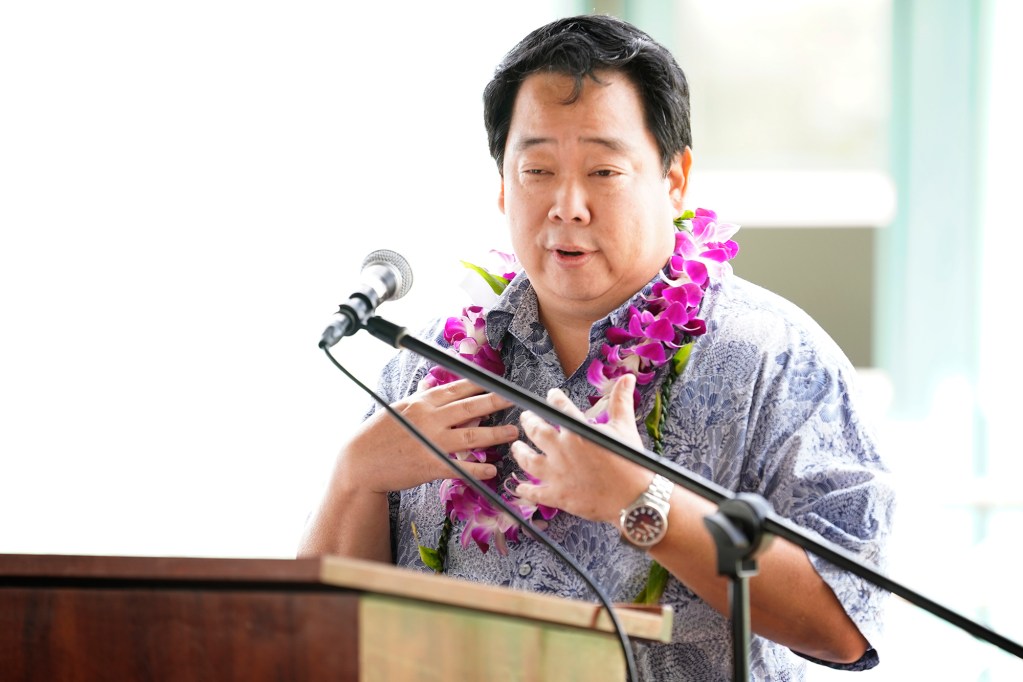
Solidum also allegedly gave money to Fuchigami, including a $7,000 check on Jan. 30, 2022 to Fuchigami, who was working for the Senate Ways and Means Committee at the time. Two days later, Fuchigami, Solidum and Yamane met to discuss emergency appropriations to the health department.
Van Acker asked the court to set bail at $100,000 for Luke, based on the severity of the allegations while recognizing she is not a flight risk. The judge reduced that to $80,000. Luke surrendered to law enforcement Friday evening and posted bail.
Gov. Josh Green had urged Attorney General Anne Lopez in recent weeks to wrap the investigation up quickly. Green also tried to distance himself from Luke, and in February canceled a pre-planned trip to Washington, D.C. to avoid leaving the state in Luke’s hands.
On Friday afternoon, he called on Luke, who has been on administrative leave, to step down.
“The Lieutenant Governor needs to consider formally resigning to address this matter and so that the state of Hawaiʻi can move forward,” he said.
Yamane was Green’s director of the Department of Human Services until recently. He suddenly resigned as the state investigation seemed to close in on him.
Solidum is a local businessman, lobbyist and longtime consultant to the National Kidney Foundation of Hawaiʻi. In that role, he helped arrange tens of millions of dollars in Covid testing contracts during the pandemic, including for a mobile test site at the Honolulu airport. Court records show Solidum consulting business was paid more than $7 million for that Covid testing work, which overcharged the state for tests, and an entity tied to his stepdaughter, Kristen Pae, received a $1 million dividend.
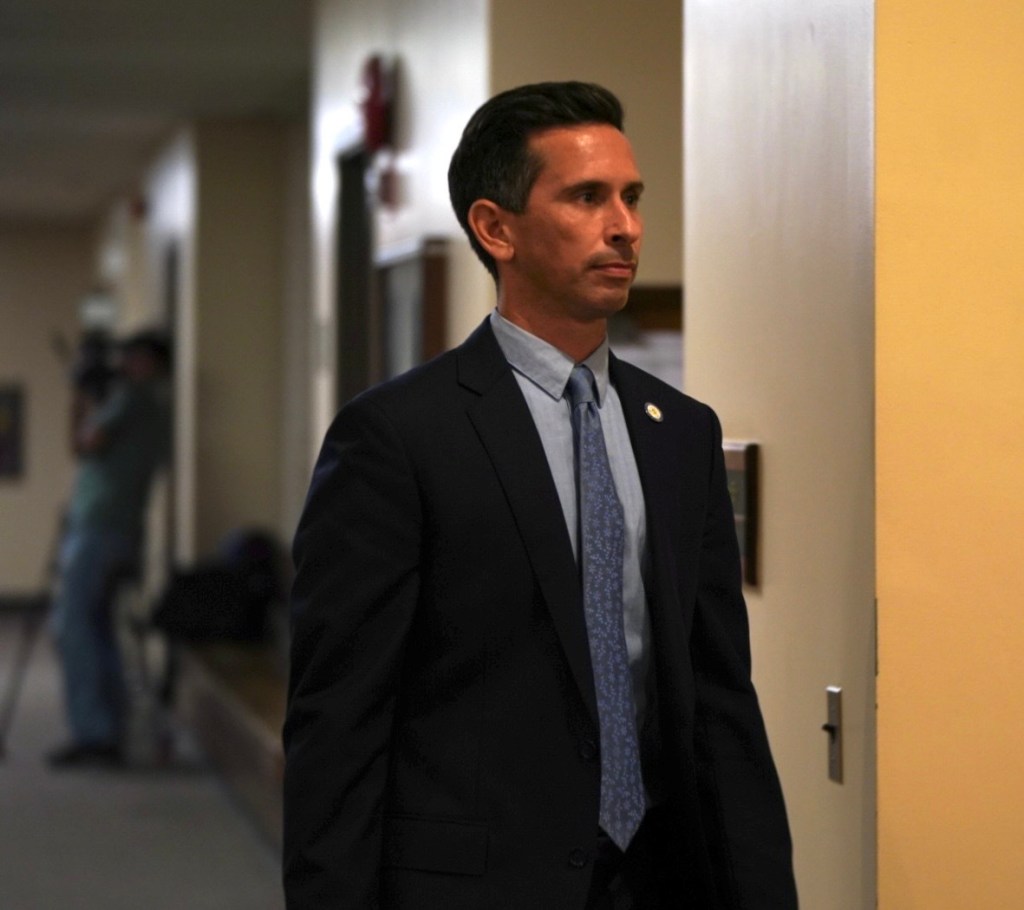
In Solidum’s case, Acker asked Judge Ronald Johnson for a warrant for his arrest without bail, which was granted. He said prosecutors have evidence he left the country in 2025 and lives in the Philippines. Solidum divested himself of his real estate holdings, the prosecutor said, and moved substantial funds offshore.
Asunción is a former chair of Hawaiʻi Public Utilities Commission, a position from which he abruptly resigned last year. He was also Luke’s campaign treasurer.
Fuchigami was appointed Green in 2023 to be deputy director of the Hawaiʻi Department of Transportation airports division and is currently the airports administrator.
From 2019 to sometime in 2021, Fuchigami held roles in the DOT that gave him oversight of the distribution of Covid relief funds and contracts. Later, he worked for the state Senate as a budget analyst under Sen. Donovan Dela Cruz, the chairman of the Senate money committee that oversees the annual budget. Fuchigami is a longtime government aide, including to former Gov. David Ige.
Solidum and Fuchigami have ties in other areas too.
Eye witnesses identified Fuchigami and Solidum as regular attendees of clandestine fundraising parties over the years that brought together state officials, including those at the airports, with contractors seeking to do business with the state.
Businessman Milton Choy, his family members, and Solidum contributed more than $34,000 around the time of those events, according to data compiled by the New York Times and Civil Beat in 2024 for an investigation of airport contractors. In 2015, Luke was among the politicians who benefitted from such gatherings.
Friday’s charges stem from a document, first revealed publicly by Civil Beat last year, that exposed the alleged $35,000 transaction. The document outlined the ways in which Rep. Ty Cullen, Luke’s former vice chair on the House Finance Committee, helped the FBI after his own bribery arrest. And it described a bribery suspect providing $35,000 to an “influential” lawmaker for a campaign.
The state launched an investigation into the $35,000 interaction amid intense public pressure on Lopez to open a probe. The AG initially said she would not investigate because the case was in the federal government’s hands, but she switched course in January.
At a brief press conference Friday afternoon, Lopez thanked the members of her office’s Special Investigation and Prosecution Division, which was created by the Legislature in 2022 to investigate corruption, fraud, white collar crime and human trafficking.
“From the outset of this investigation, I have repeated that we have a commitment to following the facts to where they lead, no matter how long it takes to get there,” Lopez said. The Special Investigation and Prosecution Division “has been working tremendously hard over the last six months to get us here.”
She did not take questions from reporters.
U.S. Attorney Ken Sorenson had said last year the $35,000 was given in a paper bag, but the indictment makes no mention of that much money actually being handed over, in a bag or otherwise. Asked to explain that, Attorney General spokeswoman Toni Schwartz said: “The indictment has the information we can release at this time.”

‘Give Her More Money’
The 30-page indictment covers a period between February 2020 to April 2022. It describes how Solidum wrote a check to Fuchigami to influence budget appropriations in 2022 and gave cash and checks to Yamane in 2020.
The indictment says Luke agreed to accept the $70,000 promised by Solidum “with the intent to use the power of her elected position” to fund the Covid testing efforts of the National Kidney Foundation of Hawaiʻi.
Such amounts from a single source far exceed individual contribution limits in Hawaiʻi. But it’s possible that Solidum planned to collect those donations from other sources, a common practice known as bundling, as a way to gain influence with specific lawmakers. In the same conversation, Solidum mentions a fundraiser, a common setting for campaign cash bundling.

In early 2022, Solidum had been seeking more state funds to keep the pricey community testing sites run by the National Kidney Foundation of Hawaiʻi operational. He told Cullen during a conversation a couple days before at the Elk’s Club in Waikīkī that “he was out ‘like $11,000,000,’” according to the indictment.
Solidum wanted an emergency appropriation, and invited Cullen to a dinner with Luke at Morton’s. Luke was “running for LG now,” Solidum said. “All I gotta do is give her more money.”
On Jan. 20, 2022, Cullen had dinner with Luke, Solidum and Solidum’s stepdaughter, Kristen Pae, in a private dining area of Morton’s Steakhouse in Ala Moana Shopping Center. Cullen was recording for the FBI.
Pae handed Luke two $5,000 checks from her and Solidum, written to her campaign.
Luke accepted the money but failed to report the $10,000 in contributions as required until years later when Civil Beat asked about them. Luke has maintained she never accepted $35,000 from any one person.
Luke said earlier this year that she tried to return that money after Cullen was arrested because she was “uncomfortable” keeping it. She has since admitted to numerous campaign finance errors, and the Hawaiʻi Campaign Spending Commission identified many more.
At the Jan. 20, 2022 meeting, Solidum told Luke $70,000 was “what we committed so we gonna follow through that commitment,” according to the indictment. He also alluded to obtaining support for Luke from labor unions.
Solidum then asked Luke if she could push the state Disease Outbreak and Control Division under the health department to release more funds for the mobile testing labs.
The next day, Luke had Rep. Linda Ichiyama, who led a House committee overseeing the state’s pandemic response, schedule a meeting to talk about emergency appropriations. At that meeting on Jan. 25, Luke discussed emergency appropriations to the health department and the department’s ability to pay for Covid testing.
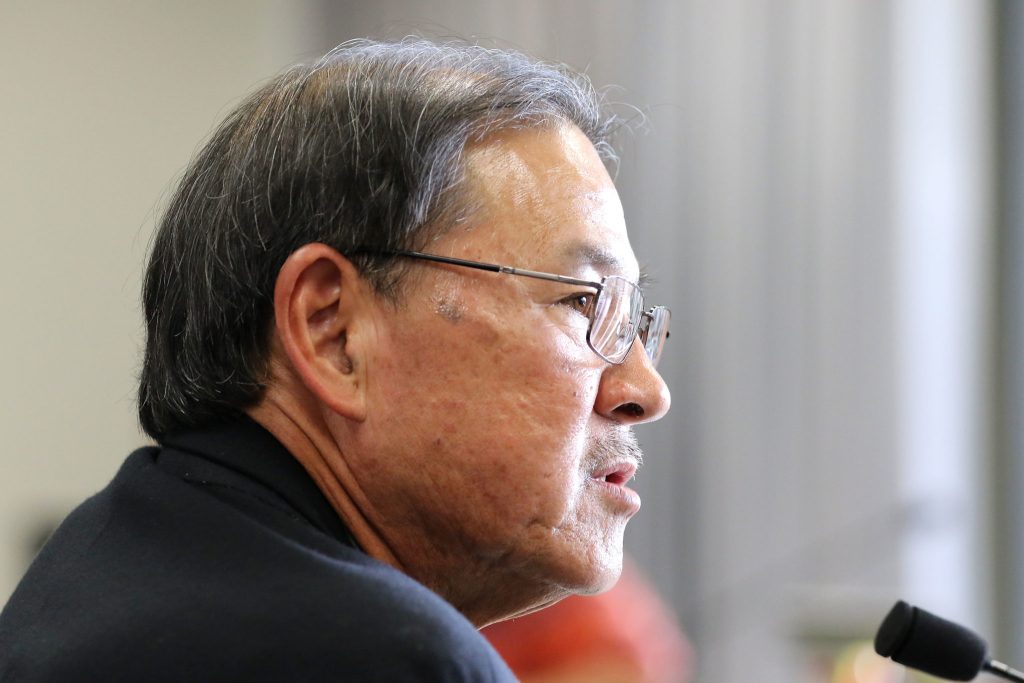
Later that month, on Jan. 30, Solidum wrote a $7,000 check to Fuchigami, who was then working for the Senate Ways and Means Committee. They met to discuss an emergency appropriation to the health department several days later.
The vehicle to advance funding for the Covid testing, which was approved by Luke and other lawmakers, was introduced by Yamane.
Yamane and Solidum had been in touch for a couple years at that point. In a Feb. 18, 2020 text exchange, Solidum told Yamane that he wanted to give him money, that included multiple checks and cash. They met later that day near a parking space that appears to be in the basement of the State Capitol.
The indictment lists numerous other instances where Solidum arranged to give Yamane money. That includes an event in August 2021 that Yamane hosted. In November of that year, Yamane provided Solidum with information on a rival Covid company.
In Feb. 2022, Yamane requested amendments to a bill that provided additional funds for the Covid testing sites. They also had a text exchange on Feb. 8, 2022 about Cullen and English being charged by the feds.
“Might not be good to be seen with me,” Yamane wrote.
Prosecutors also allege that Fuchigami falsely stated that he never received money from Solidum.
Grand Jury Convenes
The indictments followed a day of testimony that began Friday morning, when high-profile witnesses filed into the grand jury room with their attorneys.
Cullen, who was released from federal prison in 2024 after serving 11 months on bribery charges, arrived early before the courthouse even opened, with his attorney Birney Bervar. He said nothing as he left the grand jury room.
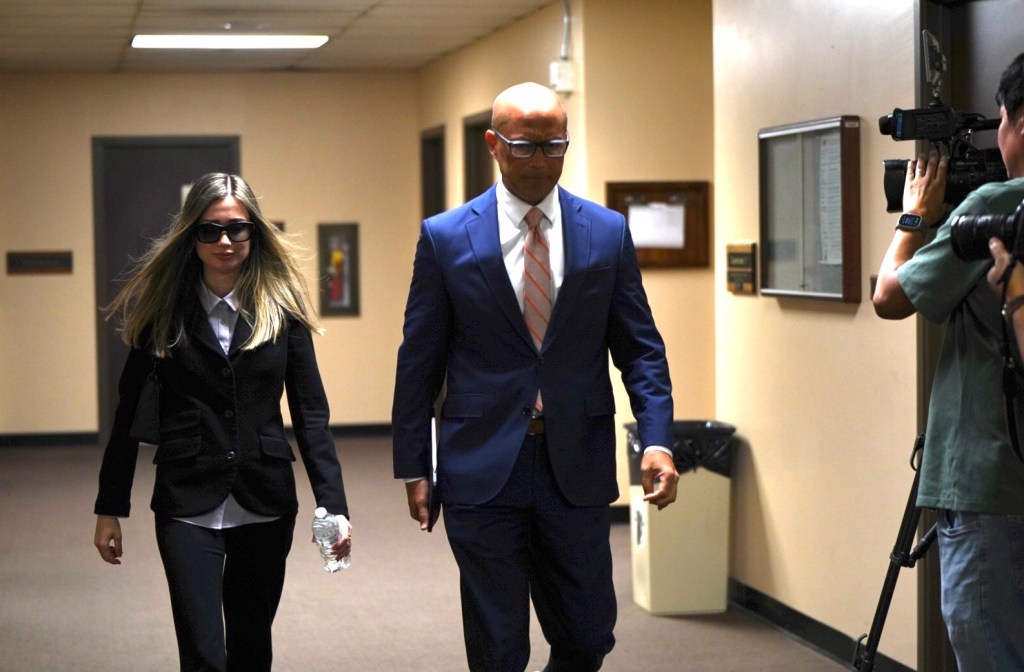
Other witnesses included Tony Baldomero, a former staff member at the Hawaiʻi Campaign Spending Commission; Pae, accompanied by heavy-hitter defense attorney Tommy Otake; and Cathy Ross of the Hawaiʻi Department of Health, represented by attorney Eric Seitz.
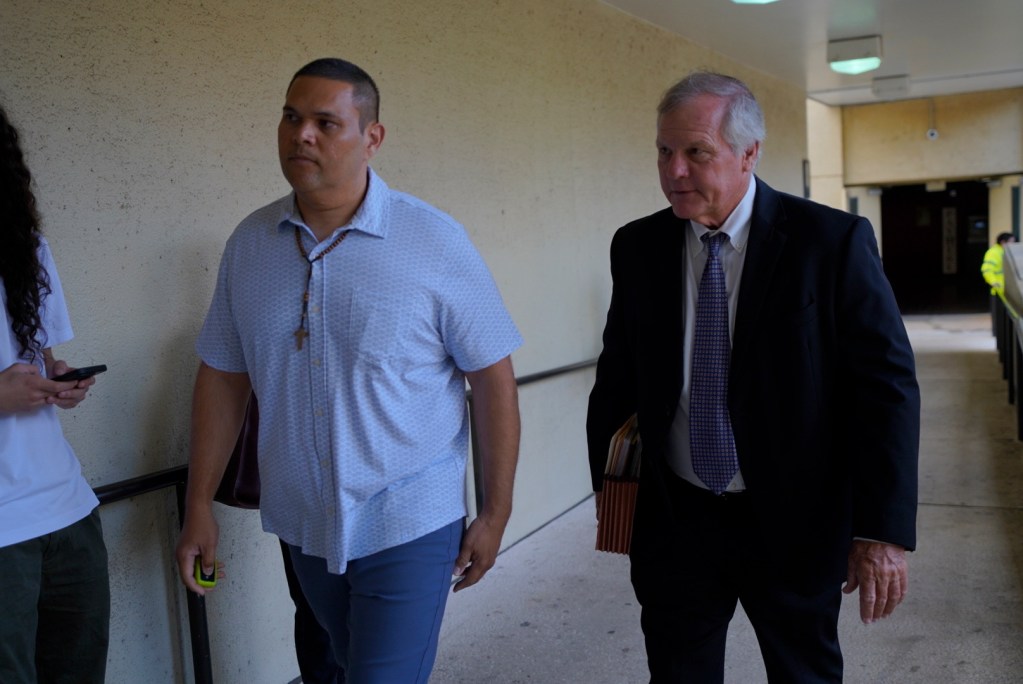
Ross is a former deputy health director whose division oversaw an office that handled procurement and contracts. As of February, Ross was still employed by the state as a human resource specialist, according to salary data.
Ross and Seitz left the courtroom just after 11 a.m. Friday and declined to comment.
The health department ultimately granted millions of dollars in Covid testing contracts to the National Kidney Foundation of Hawaiʻi, and the City and County of Honolulu similarly awarded millions in contracts to the foundation to help prop up mobile testing labs. Those contracts were arranged by Solidum.
The kidney nonprofit, in turn, sold overpriced Covid tests to Hawaiʻi residents — up to $166 per test. The national median price for a test at the time was $62 for insured patients, according to the Peterson-KFF Health System Tracker, an online tool that monitors health care data.
Solidum has not responded to Civil Beat’s multiple attempts to reach him.
Over the course of the Kidney Foundation’s testing program, Solidum’s company, GeoPolicy Development Group, earned more than $7 million in consulting fees paid by the foundation’s for-profit subcontractor, Capture Diagnostics. An entity tied to Solidum also got a $1 million dividend for investing in Capture Diagnostics, according to court records.
Soon after, trusts linked to his stepdaughter purchased million-dollar properties in Kakaʻako and Kāneʻohe.
CORRECTION: This story has been updated to correct Ford Fuchigami title when he worked for the Senate. He was a budget analyst.